PAKISTANI FITNESS

HEALTH TIPS,DIET PLANS,FAT LOSS AND MUSCLE BUILDING

LightBlog

Breaking

Showing posts with label DIET PLAN. Show all posts

Thursday, 3 October 2019

October 03, 2019

What do you eat to get taller?

What do you eat to get taller?
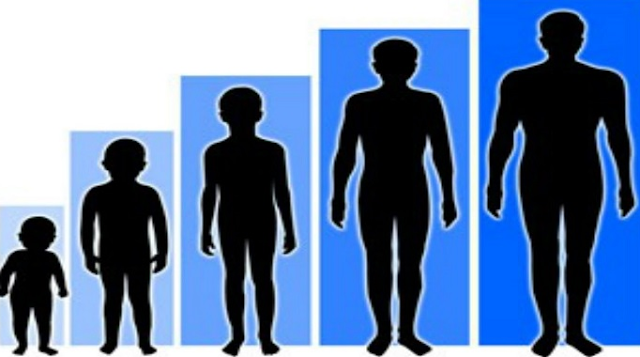


Height is greatly influenced by genetics. However, because it is inherited, there is no need to give up if you are no longer stretched. What adults can support children can do is to create an environment for height growth. Calcium is not the only thing you need to increase your height.
About 80% of bones are made of calcium, while the remaining 20% ​​are made of protein.
So, should I get a lot of calcium and protein? The answer is NO! is.

Growth hormone is needed to promote bone synthesis. The nutrients required for growth hormone are arginine in meat, tuna, shrimp and soy products, and zinc in oysters, liver, nuts and beef.
However, taking these two does not secrete growth hormone. With these two ingredients and proper sleep and muscle training, growth hormone is secreted. Of course, if growth hormone is secreted, it doesn't mean that bones can be made. Calcium (milk, small fish, cherry shrimp, etc.), which is a nutrient necessary for making bones, vitamin D (mushrooms, salmon, fish eggs, etc.) that promotes absorption of calcium, and calcium to adsorb to bone Vitamin K (natto, large leaves, etc.), protein (meat, fish, legumes, dairy products) that makes bones, and vitamin C that synthesizes collagen are also required.

As you can see, there are many things that are necessary to overcome the heightening environment, and there is no single answer. Proper sleep, muscle training, and proper material (nutrition) are essential for bone growth
.
And one more important thing! Why do you need what is on the table right now for your body? Tell your child why it is important to sleep early. By doing so, I would like to play a little more games, but let's go to sleep today. I don't really like this vegetable, but I'll do my best to eat it! You may think (^^)

By continuing it for a long time, your child will have an interest in food, create a strong body and a healthy body one year later, three years later, improve performance and height.

One day breakfast

Namul of cucumber
Carrot and beef bowl kinpira
Boiled pumpkin
Stir-fried peppers and octopus
Grilled salmon
Boiled beef muscle
Japanese radish and fried miso soup
Germinated rice

Taking various ingredients in a well-balanced manner leads to improved performance and height.
Sunday, 29 September 2019

September 29, 2019

The highest protein foods

The highest protein foods


Protein is the main building material for the body. He is responsible for metabolism, growth and ... reproduction, and his deficiency can even lead to death. What foods contain protein and how much should it be consumed?

Animal Food - The Main Source of Protein


    Meat (beef, pork)
    Bird
    Eggs
    Cottage cheese and other dairy products
    Fish and seafood


Lots of protein in nuts and seeds


    Hazelnut
    Peanut
    Cashew
    Almond
    Pine nuts
    Pumpkin, sunflower and hemp seeds

Cereals are not inferior in protein content


    Buckwheat
    Rice
    Oatmeal


Legumes


    Beans
    Peas
    Lentils
    Soybean

Rye or whole wheat bread and durum wheat pasta are also high in protein.

Among vegetables, the most protein in asparagus, cucumbers, zucchini, zucchini, potatoes and Brussels sprouts.

It is also found in fruits and berries: apples, apricots, tangerines, bananas, blueberries and avocados.

Which proteins are easier to digest - animal or vegetable?

The proteins that make up eggs and dairy products are most quickly absorbed.

In second place are proteins from poultry and animal meat, fish and soy.

Beans and nuts follow.

The body most difficult to absorb protein from cereals.

Important! Protein is best absorbed after heating or heat treatment.

10 foods with the highest protein content

    Poultry meat - from 17 to 22 g (per 100 g of product)
    Meat - from 15 to 20 g
    Fish - from 14 to 20 g
    Seafood - from 15 to 18 g
    Eggs - 12 g
    Hard cheese - from 25 to 27 g
    Cottage cheese - from 14 to 18 g
    Legumes - from 20 to 25 g
    Cereals - from 8 to 12 g
    Nuts - from 15 to 30 g

Daily protein intake

Adult - 1.3-1.4 g per 1 kg of body weight

People whose work is associated with physical activity - 1.5 g per 1 kg of body weight or more

Athlete - 2.0-2.5 g of protein per 1 kg of body weight per day

Male - 96-132 g of protein per day

Woman - 82-92 g per day

Useful Tips

Despite the fact that protein is considered a building material for the body, its excess can harm health.

In particular, if you plan to go on a protein diet, consult your doctor first. Therefore, excess meat can lead to intoxication, because the body also needs to digest toxins. And animal protein often provokes the appearance of cholesterol.

Excess vegetable protein at night leads to insomnia and heaviness in the stomach.

At the same time, it is very useful to combine vegetable and animal proteins in one dish, for example, scrambled eggs with beans or sushi with rice and fish, meat with a side dish of legumes or cereals.

With a combination of proteins and fats, you need to be careful - like cheese with nuts.
September 29, 2019

Intermittent fasting details

                  Intermittent fasting


1. Overview
Intermittent Fasting

It is a kind of diet, which became popular in Korea on March 18, 2013, as the subject of the SBS special meal rebellion. The point of the theory is that fasting 24 hours a day, two days a week, three to five mornings a week to take full advantage of the fasting effect.

For reference, most doctors see fasting negatively. This is because most fasting is not done through consultation with doctors and dietitians, but based only on the non-professional writings on the Internet and the experience of non-experts. Right now, this document is a mix of personal beliefs and unverified Kadera-level content.

If you're fasting, be sure to talk to a professional, and make sure you know that people who write on the Internet aren't experts and don't know your condition.

2. Theory
Reducing the carbohydrates supplied to food during the therapeutic research of diabetes leads to a ketogenic state in which the body reacts and uses the fat stored in the body as an energy source. Changes to use as energy sources occur. Insulin levels drop within 24 hours [1], which theoretically suggests that insulin secretion is used to induce fat consumption.

It is being studied in various fields to help prevent and cure numerous diseases caused by high calorie-high calorie meals faced by modern people in the 21st century.

Researchers in this field have reported that intermittent fasting has helped change the body's biological clock to treat type 2 diabetes, cardiovascular disease, and cancer, and in some cases, changes in the intestinal bacterial environment or dietary habits. There are reports of beneficial effects such as improvement and weight loss.

The effects of intermittent fasting that researchers claim are:

    Induction of rapid ketosis
    Improved insulin sensitivity
    Reduction of adipose tissue
    Life extension due to changes in gene expression
    Self-cleaning effect by apoptosis
    Antioxidant effect and reduced intracellular inflammation
    Increased cognitive function due to increased brain-derived neurotrophic factor (BDNF)
    Reduction of Cancer Cells and Precancerous Cells


There are a total of eight fields. In Korea, there is still a lack of research in this field, but in the developed countries such as the United Kingdom and the United States, many researchers have published research results in each field.

3. Method
Four are recommended for the most common methods.

1) Fasting 16/8: Fasting 16 hours a day and eating low-calorie meals for the remaining 8 hours [3]
5) Fasting method: fasting for 24 hours and then eating or low-calorie meals on Mondays, Wednesdays, and Fridays, or fasting on Tuesdays, Thursdays, and Saturdays.
3) Water Fasting: Fasting for several days with water alone. This is the most difficult and may require expert assistance.
4) Juice or Broth Fasting (Juice and Broth Fasting): How to use bone soup containing vitamins, minerals and fats

Two important things during the fast

    Eat freely, but do not binge eat. Significant increase in insulin is meaningless intermittent fasting, rather hunger is adversely affected. Some of the articles that mention the side effects of intermittent fasting are binge eating. However, fats other than carbohydrates and proteins do not promote insulin secretion, so it is okay to combine them with low-tango. If you want to lose weight simply to do aerobic exercise before meals are effective, and if you want to minimize muscle loss when losing body fat is a strong anaerobic exercise after a meal is effective.

    Do not eat outside meals. Fasting also reduces muscle mass, which is why it is necessary to reduce muscle loss by exercising muscles during fasting. The key to intermittent fasting is "fasting". Yoshinori Nagumo, author of one meal per day and who appeared in SBS Special, also stresses the importance of communicating with one's body rather than being too obsessed with style. The first meal after intermittent fasting is within 600 ~ 900kcal.

3.1. 24-hour fasting
Do not eat breakfast and lunch, eat 600 kcal at 6-8 pm. Do it twice a week.
3.2. 16 hours fasting
You do not eat three meals in eight hours. Do not eat breakfast or dinner. If you do not eat breakfast, you should have lunch and dinner at 12:00 noon to 8 pm and not eat the rest of the time. If you don't eat dinner, you should eat breakfast and lunch from 6-7 o'clock in the morning to 1 o'clock lunch, and not eat the rest of the time. Do it 3-5 times a week. What you do every day goes beyond simply cutting calories, and humans consume more fat in 16 hours than the 12-hour fasting period when animals start burning fat.

Arnold Hong's 16-hour intermittent fasting plus weight training after the appearance of an intermittent fasting documentary reduced body fat and increased muscle mass.

In fact, the 16-hour fast described in this paragraph is just a very old "evening starve" diet. Because the term "intermittent fasting" is new, it is only accepted as a new diet method.

4. Features
Intermittent Singles Hur and Thread

Intermittent fasting is a way of calorie restriction and is not originally studied as a diet method, but as a way to apply the news more easily in everyday life and still benefit from it. Researched.

Intermittent fasting became known to the public through the 2012 BBC Docs # "Eat, Fast and Live Longer."
September 29, 2019

The Truth About Ketogenic Diets

The Truth About Ketogenic Diets


The ketogenic diet, now called "keto", is the trend. For the new year, the ketogenic diet is a sensation on social media, and the number of Google related searches related to keto has surged over the past few weeks. Celebrities like Tim Tibau and Courtney Cardassian advertise that the ketogenic diet is a detox therapy that will "reset" our bodies. The ketogenic diet is simply a diet that replaces carbohydrates, which are the body's main energy sources, with fat. You can eat whipped cream, mayonnaise, butter and cheese. Imagine eating a huge amount of cheese.

Honestly, I'm a little suspicious of a diet? Then it might be worth doubting. I asked the experts what exactly the ketogenic diet is, how it works and what really works.

What is a ketogenic diet?

A ketogenic diet follows a diet with 80% fat and very low carbohydrates. Meat, fish, eggs, dairy products, oils, vegetables, etc. are staple foods, and eating cereals, potatoes, and fruits, including pasta and rice, is strictly prohibited.

The ketogenic diet is a principle that changes the mechanism by which food is converted into energy in the body. In general digestion, carbohydrates are broken down into the body to form fructose, galactose, and glucose, which is the main energy source of our body. But when you follow a carbohydrate-restricted diet or starve for a long time and there are no carbohydrates left in your body, your body looks for other forms of energy. In other words, the purpose of the ketogenic diet is to keep the body in ketosis.Ketosis is a condition in which the body uses ketones as energy instead of glucose by producing ketones as metabolites using fat as fuel.

Where did the ketogenic diet start?

It's hard to imagine that the ketogenic diet will temporarily go away. The history of the ketogenic diet is almost 100 years old, and its beginning can be found in the medical community. Doctors studying epilepsy in the 1920s found that as the patient's ketone levels increased, the number of seizures decreased. In addition, research has shown that ketogenic diets can help alleviate a variety of diseases and conditions, from cancer to polycystic ovary syndrome, neurological symptoms, diabetes and acne.

So how did the ketogenic diet become a diet for weight loss?

Although the popularity of ketogenic diets is increasing thanks to recent celebrity commercials and recipes on Pinterest, similar diets have been very popular in the past. Certified nutritionist and blogger Abby Sharp said, “In the last decades, several versions of low-carb diets have been in vogue. Atkins and Dukan are two types of ketogenic diets. A diet based on ketosis is actually a very old concept. But then it comes in a new package that fits the latest trend. ”

How does my body change with a ketogenic diet?


When you start a ketogenic diet, you may initially struggle with the process of converting liver fat into ketones to make energy. Sharp said, “It can be very uncomfortable at first because our bodies aren't adapted to producing energy in this way. You usually experience bruises, headaches, nausea, tiredness, odors in your mouth and excessive sweating and urination. "There's a lot of water that's going to cause the electrolyte levels to drop sharply and become nervous." These symptoms are sometimes called “ketoflu”.

Over time, as the body adapts, most often the symptoms are alleviated and the body feels much better. Some studies have shown that the brain uses ketones for energy, improving cognitive activity and concentration.

In the first few days, you'll feel much more tired at your usual momentum because you don't have carbohydrates as your main energy source.

Should I try a ketogenic diet?

You can say, 'As with any popular diet, ketogenic diets are not very successful.' The Atkins diet was sensational in the early days, but since then it has been found to be ineffective in losing a lot of weight. Nutritionist Pierre Ducan introduced his diet of over 100 foods that put the body into ketosis, such as the Atkins and ketogenic diets, in the 2000 book The Dukan Diet. But researchers have found that the Ducan diet is linked to chronic liver disease.

Sharp says that people with eating disorders should be especially careful with ketogenic diets. “Ketogenic diets are so restrictive that they break relationships with food. This can make Mindful Eating difficult and lead to dangerous consequences. ”

But the ketogenic diet has one measurable advantage. Eating high-fat foods will make you feel more full, so the snacks you eat between meals will disappear. Of course, it's not easy to get all the nutrients and fiber you need while limiting whole grains and fruits, but "it's possible," Sharp says. “You need to know in detail what micronutrients you can get from your diet so you can fill in the gaps. You can also take supplements. ”

Do ketogenic diets really work?

At first it works. When you start a ketogenic diet, you will notice a significant decrease in weight while eating over the first few weeks.

Sharp says that this weight loss doesn't last. “Most of the time, I lose moisture. In the body, 1 gram of carbohydrates combines with 6 grams of water, which results in a huge amount of water loss as the stored carbohydrates are depleted. After months of ketogenic diets in the country, there was no significant change in exercise capacity or muscle mass.

If you still want to try the ketogenic diet, it's important to first talk to your doctor about your overall health, including the nutrients and cholesterol levels you need and the risk of heart disease. It's always a good idea to hear from an expert when attempting something that changes the body's internal mechanisms, such as a ketogenic diet. You do not need to follow the Cardinal sisters in your health. If you want to follow along, you should refrain from premature personal judgment. (The cut).